
Why I Started Milling My Own Flour
Did you know you can mill your own flour? Why would you want to? Here are the benefits of milling your own grains and baking with freshly milled flour. Both the nutritional benefits and amazing flavor is why I started milling my own flour.
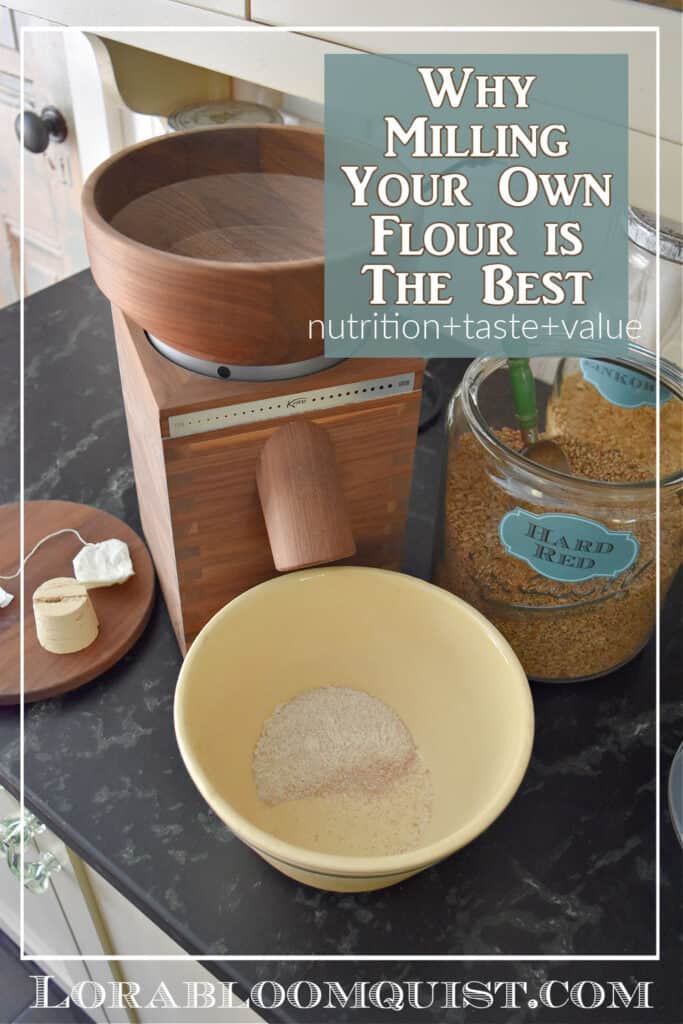
A year ago I had no idea there was such a thing as an at home grain mill. I’d never heard of anyone who milled their own flour. We had been avoiding baked goods and eating low carb, but I had no clue as to the history of processed flour in the U.S. Today I’ll explain a big change we made for our health and Why I Started Milling My Own Flour.
Why I Started Milling My Own Flour
For your convenience, this post contains affiliate links. If you make a purchase, I may receive a commission. There is no additional cost to you. “As an Amazon Influencer, I earn from qualifying purchases.” My full privacy policy is here.
The History of Flour in the U.S.A.
Up until the turn of the century here in the U.S.A., flour was milled manually at home or by a local miller. Each town would have it’s own flour mill where folks would go to purchase freshly milled flour. Bread and baked goods would be made quickly so the flour would not spoil.
For centuries, the rich had sifted the bran and the germ out of flour to make softer, more delicate cakes, but it wasn’t until the early 1900’s that the nutritional deficiency was found out.
In 1878 the invention of the steel roller mills changed the flour milling industry in the U.S. My state, Minnesota, was a flour hub for the world; we even have a museum dedicated to it, The Mill City Museum (definitely visit if you’re in the area). The new mills separated the bran and the germ from the endosperm, making white flour accessible and shelf stable to the masses. By 1920, white bread made from refined white flour was a staple food for everyone. Local millers went out of business and convenience reigned.
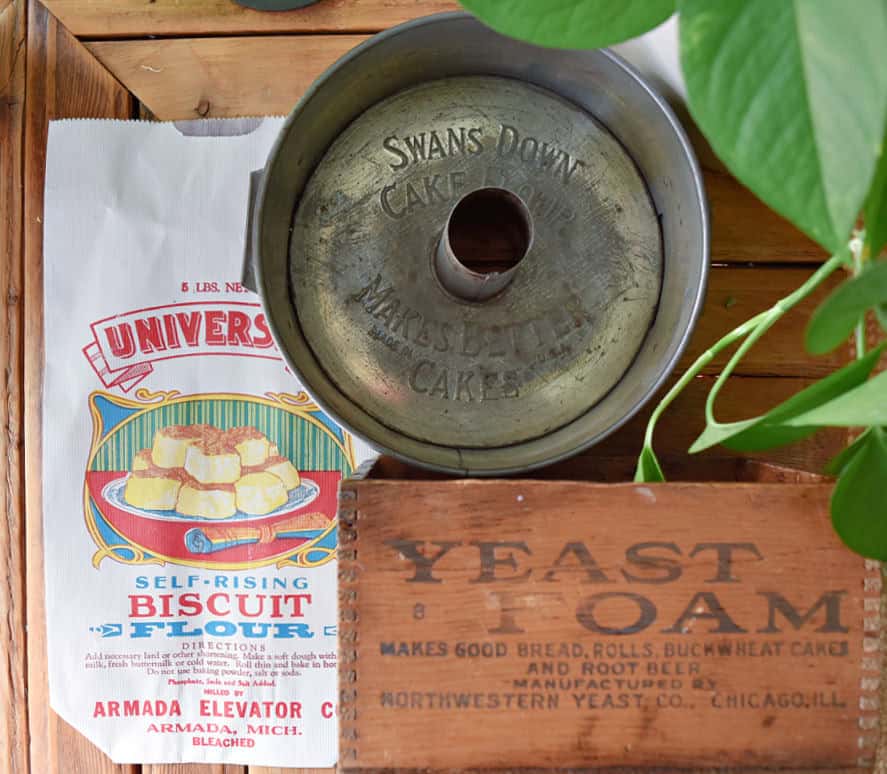
Flour companies were flourishing. They sold the bran and the germ to the animal-feed industry. Interestingly, the refined white flour was so nutrient lacking, the insects wouldn’t eat it. Soon after three diseases that usually only plagued the rich became epidemic: beriberi, pellagra, and anemia.
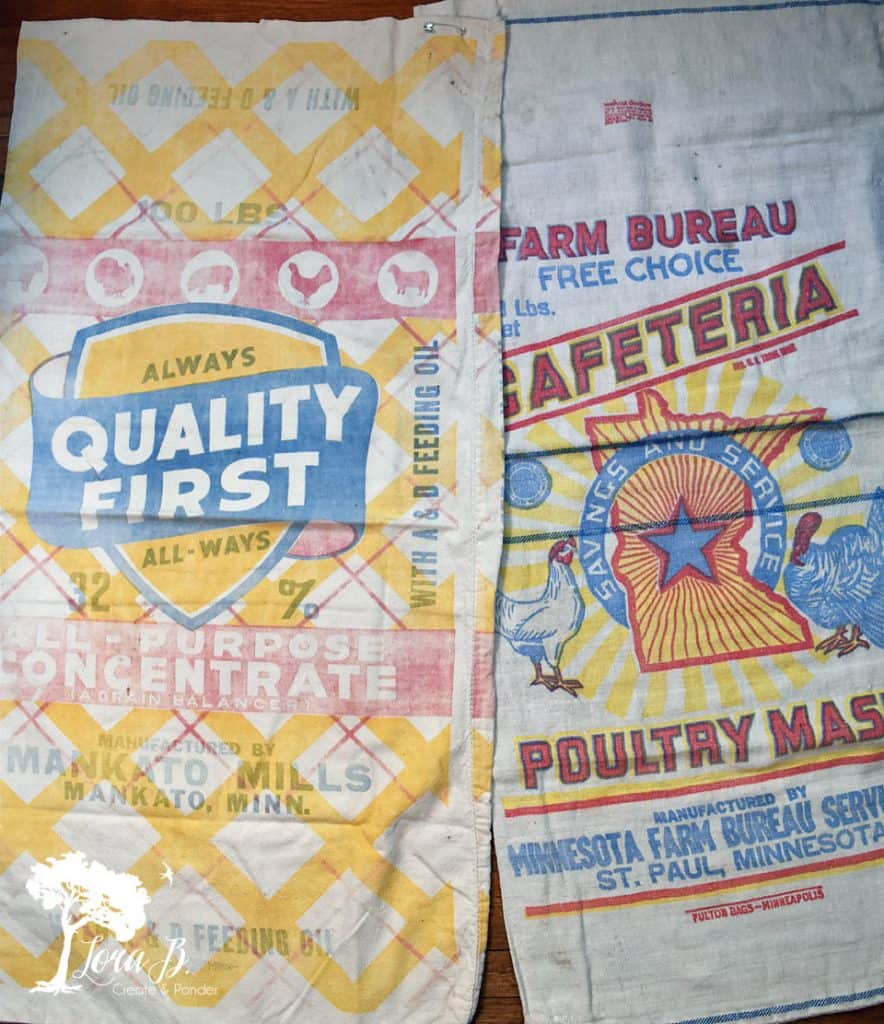
In 1941 health officials came to the conclusion it was the change in the milling process. The milling industry refused to forfeit their animal feed profits. Instead, the “enrichment” of flour began, adding back three mandated B vitamins (thiamine, riboflavin and niacin) and iron. Folic acid was also finally added in 1998, after 50 years of increased birth defects.
If you’re intrigued, and want to hear the full story of real bread, watch The Staff of Life by the bread queen herself, Sue Becker HERE.
Why I Started Milling My Own Flour
For a couple years, we had been eating low carb and avoiding baked goods, both at home and out. I’d been intermittent fasting and was happy with the results the combination was having on my health and weight. But I was having leg and foot cramping and felt like my body wasn’t getting the right vitamins and minerals.
Then last December, I was sick for basically the whole month. I sadly missed singing all the fun Christmas music at church and even had to reschedule our family celebrations. When we were laying around, Mr. Fix-it somehow landed on Sue Becker’s podcast (above), talking about freshly milled flour. He was so excited, he told me to “buy the mill” so “we” could start baking the nutrition-packed food. (FYI-I do all the cooking at our house)
After listening to a couple podcasts myself, I jumped on board. I’m not one that is convinced easily…you could say I’m stubborn…or just Scandinavian. But the health benefits of baking with freshly milled flour that include almost all of the essential vitamins and minerals we need on a daily basis sounded great after being sick for a month! And Sue’s podcast stories about healing everything from warts and constipation to more serious maladies were intriguing.
Choosing a Grain Mill
Once I was on board with milling my own flour, it was time to figure out what kind of mill to buy. Mills are an investment, but if you buy the right one, it will become your favorite kitchen appliance.
I started out thinking I would just purchase a mill that attached to my kitchen aid mixer. Then a friend said she had one and it actually made her mixer quite hot. And she didn’t like taking it on and off to then use her mixer for the dough.
Budget wise, the plastic versions are less expensive, but I’m not a plastic girl. My kitchen is vintage-inspired, and I wanted the mill to sit out all the time, so I could easily use it often. I also liked the stone mills because you can vary the grind of the grains from fine (for sandwich bread) to coarse (for cream of wheat). I ended up loving THIS classic style in the darker stain. It has an amazing 12 year warranty, which is unheard of in this day and age. I have been so happy with it! Three friends have bought similar versions and love them, too.
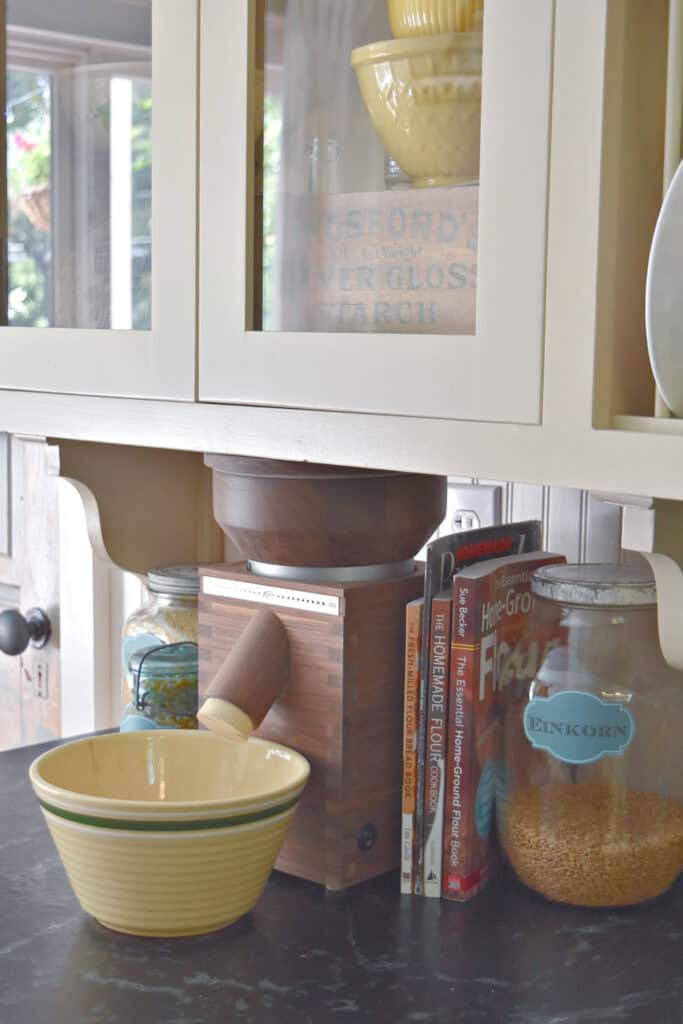
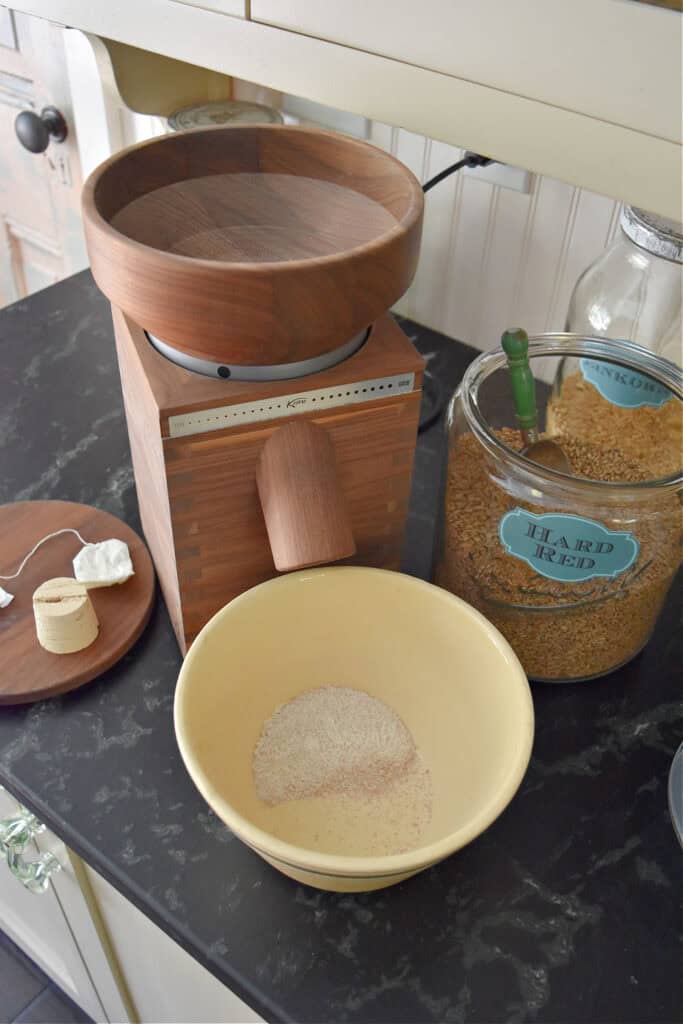
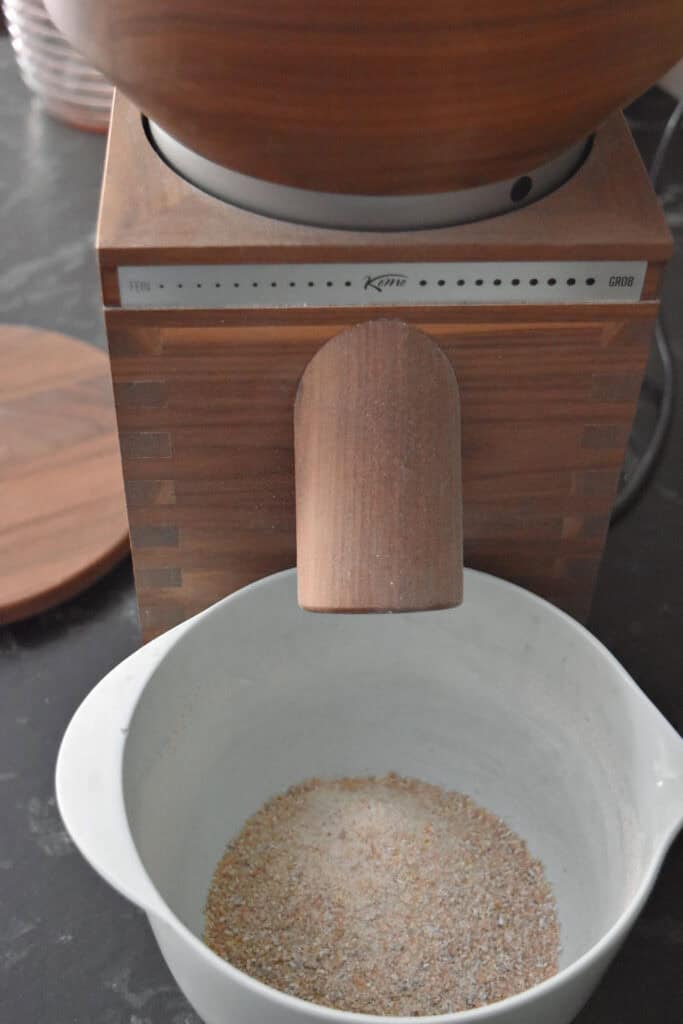
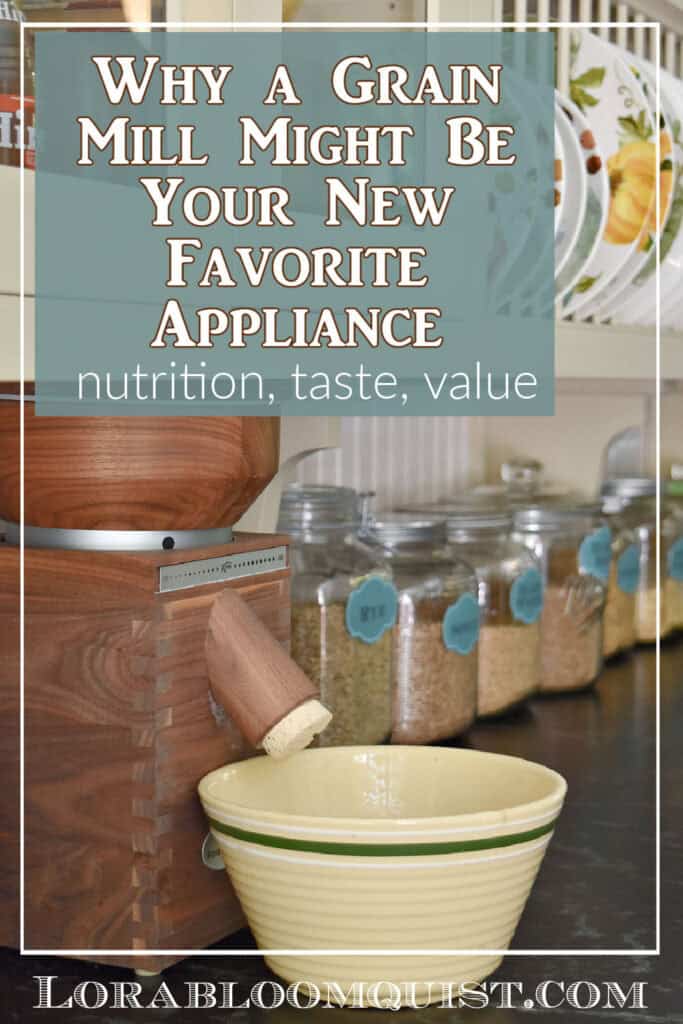
I love that it perfectly slides under my upper cabinet for ease of use. I also love that I can use vintage mixing bowls to catch the flour. You can see how you adjust the flour from fine to coarse by turning the top (the little black dots).
Flour mills are noisy, but I’ve heard this type is quieter than most. If you put the top on, it is less noisy. When not in use, I place a tea bag in the hopper to deter bugs; haven’t had any issues. I also ordered a cork for the spout. This model is also self-cleaning.
Find a variety of home grain mills HERE.
(This company is the exclusive U.S. importer, and is a leader in the artisanal breadmaking market.)
Milling Flour for Homemade Treats
I buy most of my grains at a local grocery co-op. Some that are not available there, I buy online. I don’t want big buckets of grains at this point; I don’t have a big family to bake for. I just buy in small amounts and enjoy looking at the different grains in old and new glass jars on the counter. It kind of looks like an old general store;) I printed off vintage-looking labels, too.
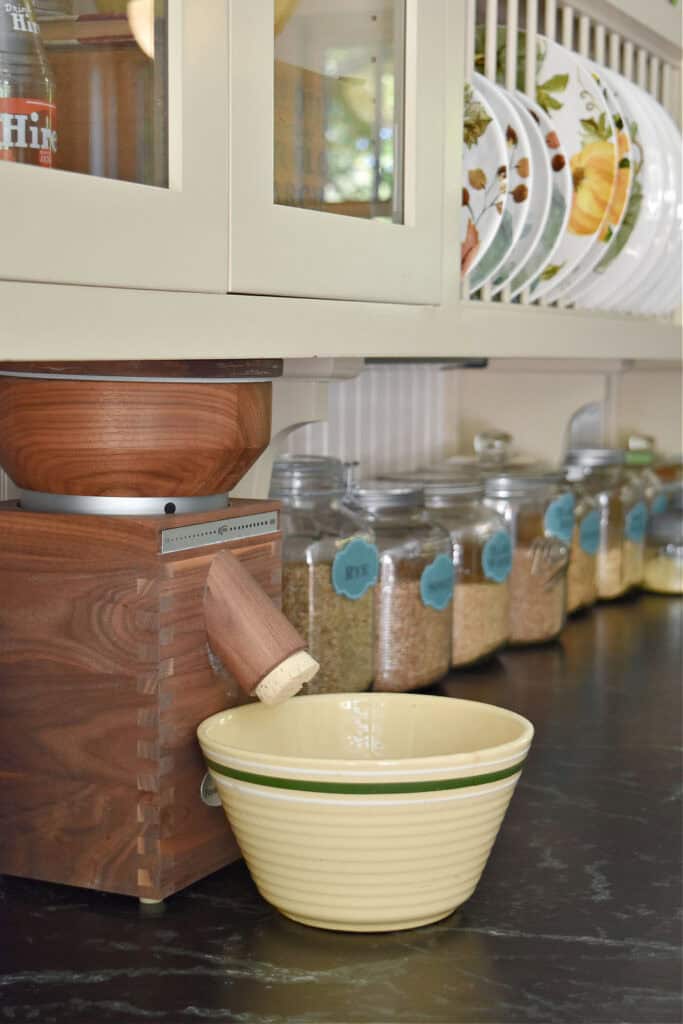
Grinding freshly milled flour only takes minutes, but the taste difference is amazing! The different grains have unique flavors and textures, and it’s fun to switch things up on recipes. Old all purpose flour just can’t do that.
I started with quick breads and muffins, because the whole yeast thing was new to me. I’ve used THIS cookbook the most, and have learned all the how-to of everything from basics to baking tools. But I’ve also enjoyed THIS one, where she explains the different grains and has a couple recipes for each (love the Swedish Rye quick bread made with molasses). You can also adjust your favorite recipes to freshly milled flour, but I wanted to start with tried and true recipes first.
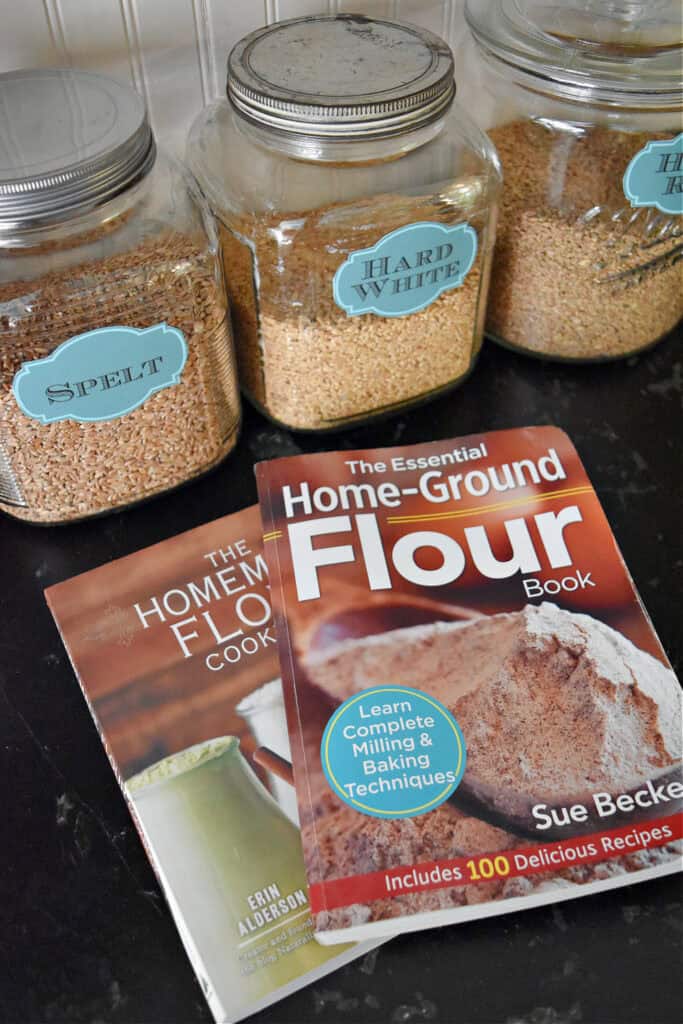
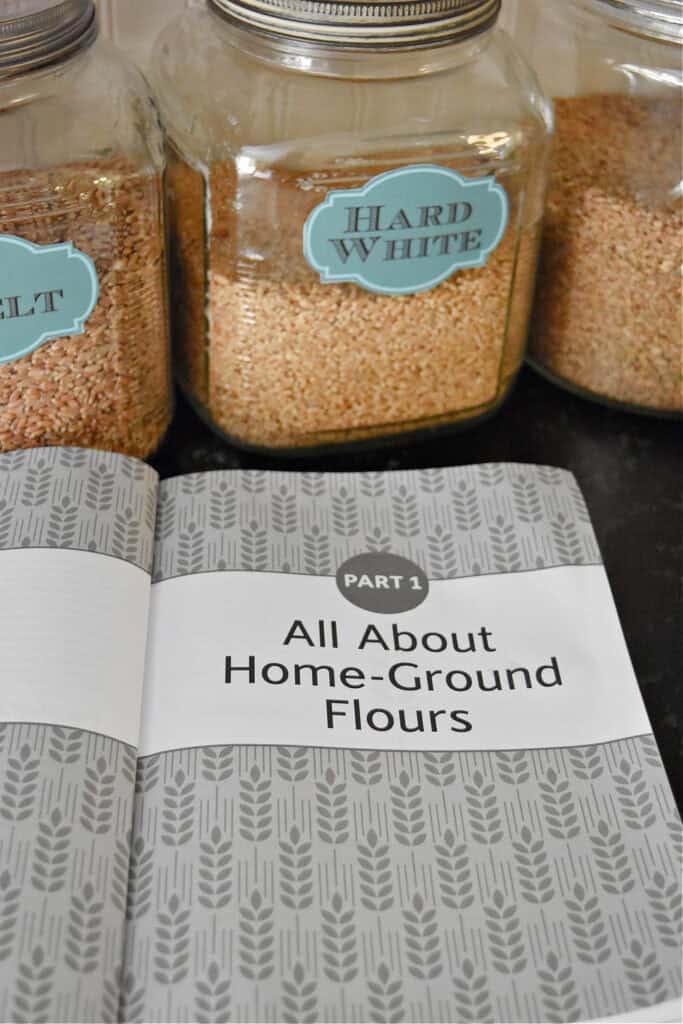
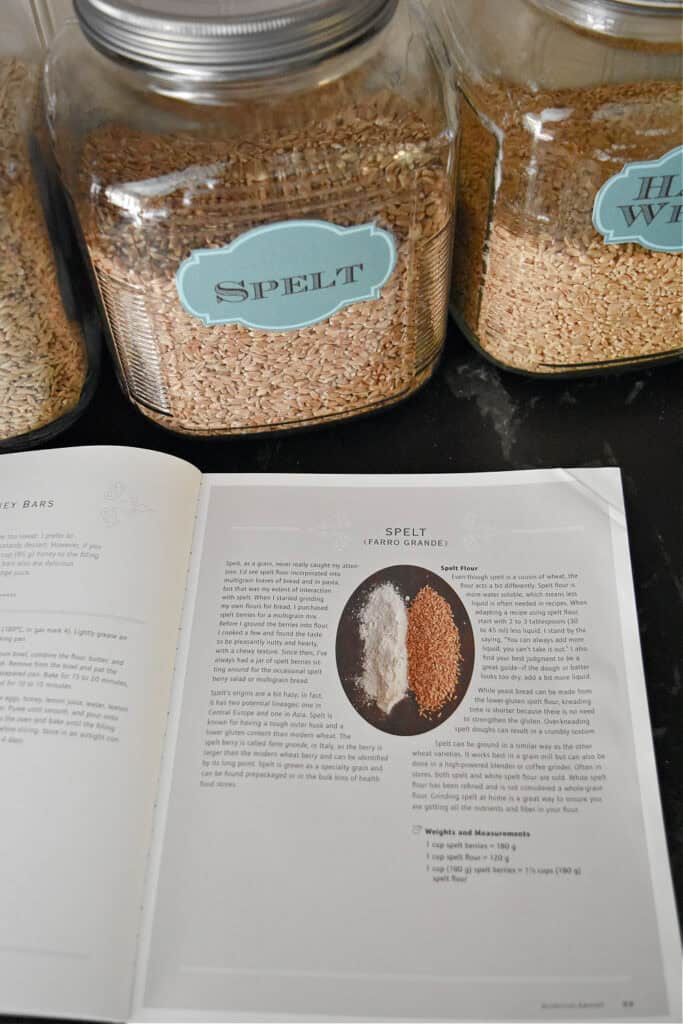
It’s so wonderful to enjoy baked goods that aren’t just empty carbs. These delicious recipes are packed with vitamins and minerals our bodies need, and my health can tell the difference! Freshly milled flour should be used as soon as possible; as it oxidizes, vitamins are lost. Whatever I don’t use, I place in the freezer in a ziplock bag with the grain name written on.
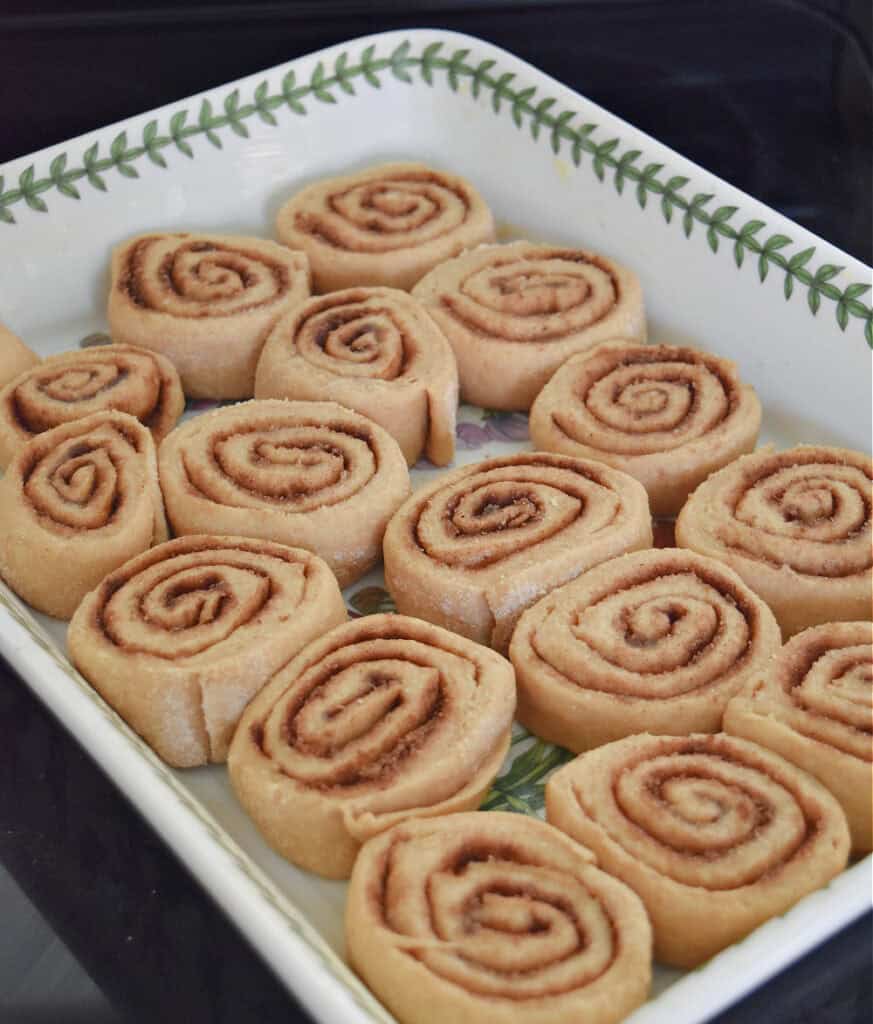
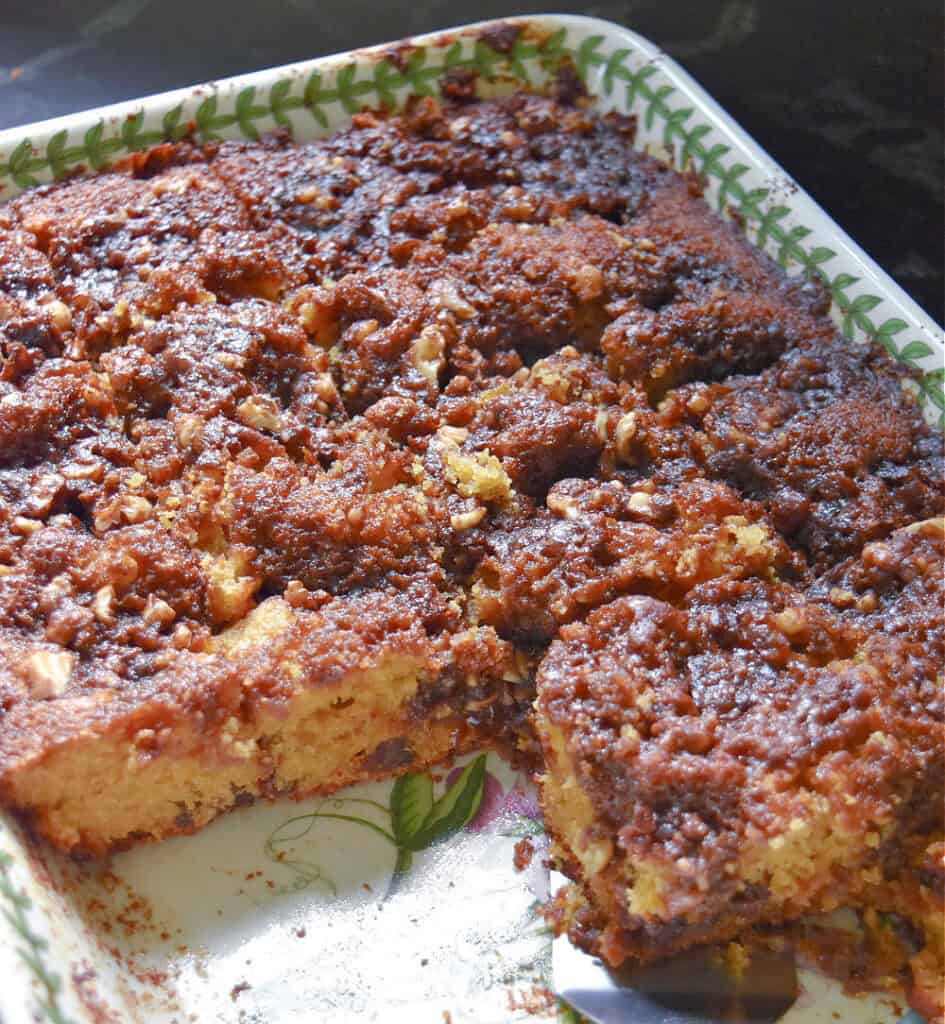
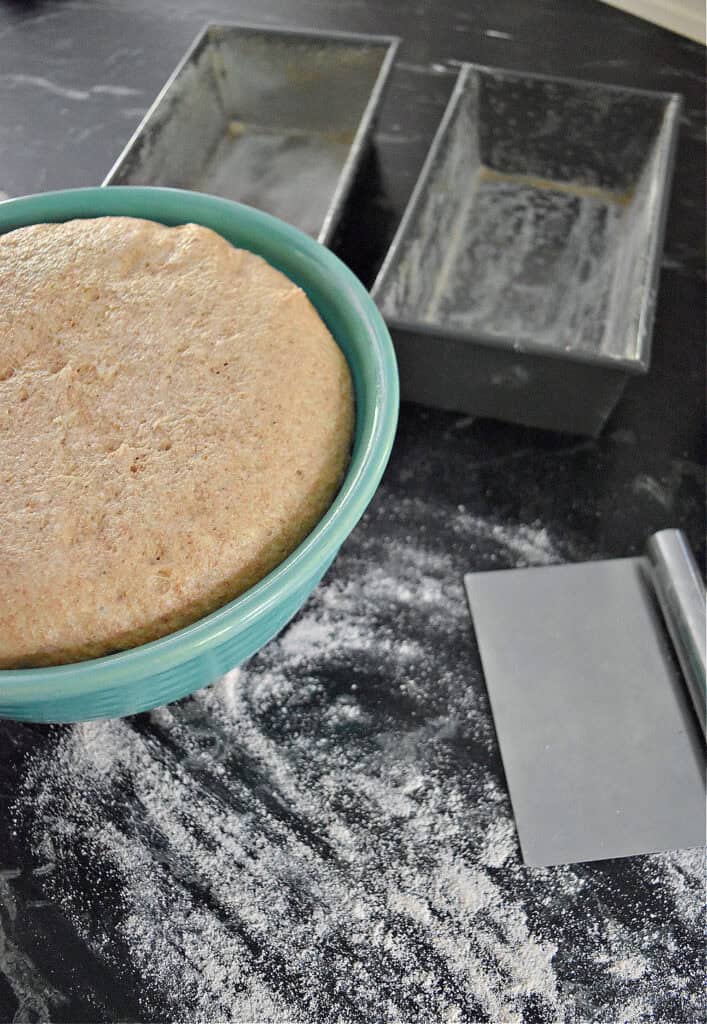
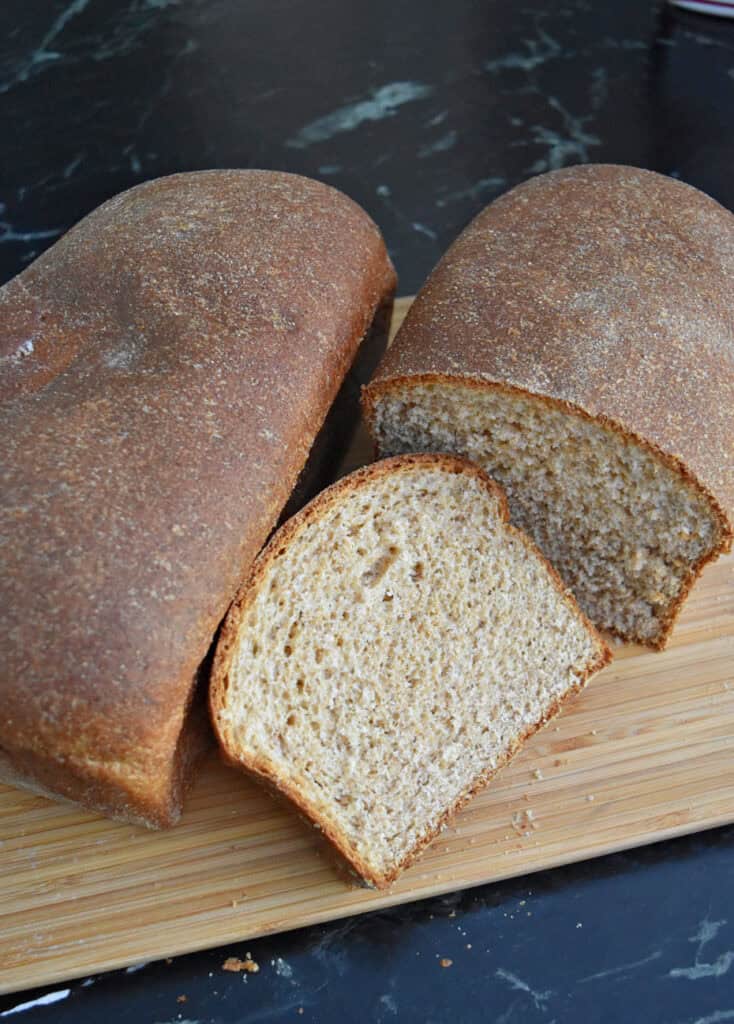
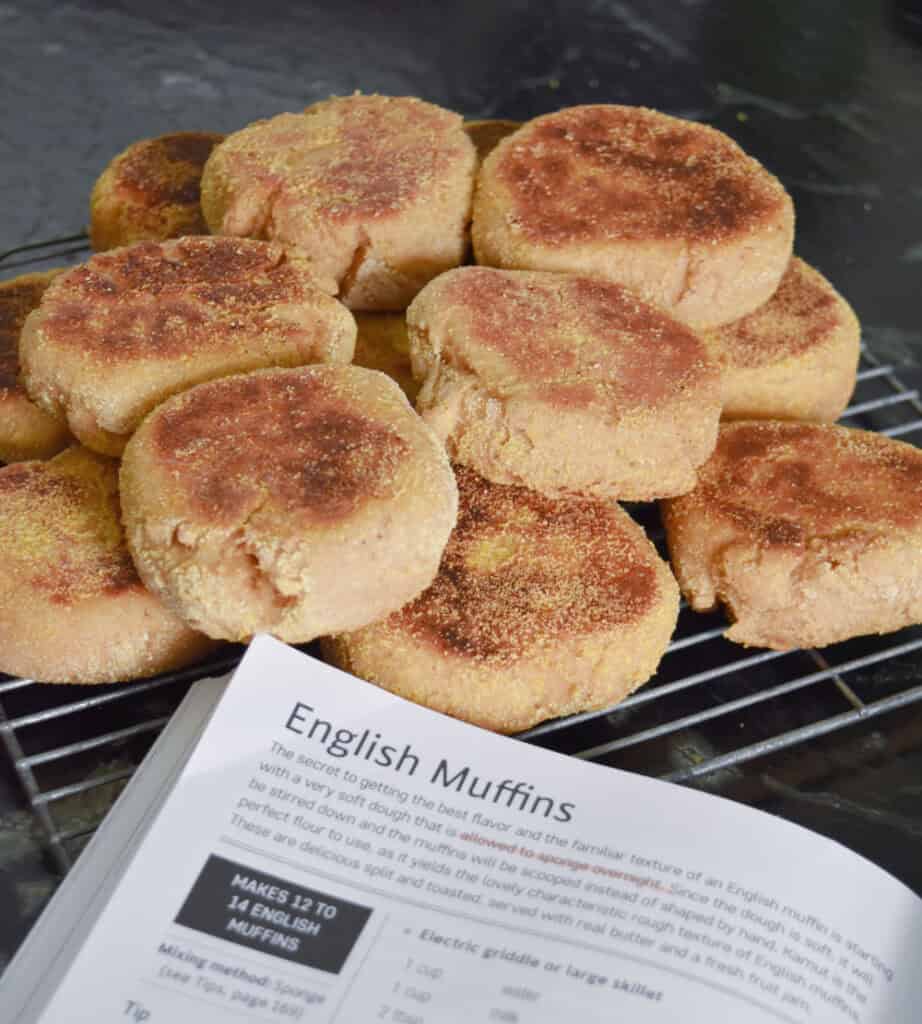
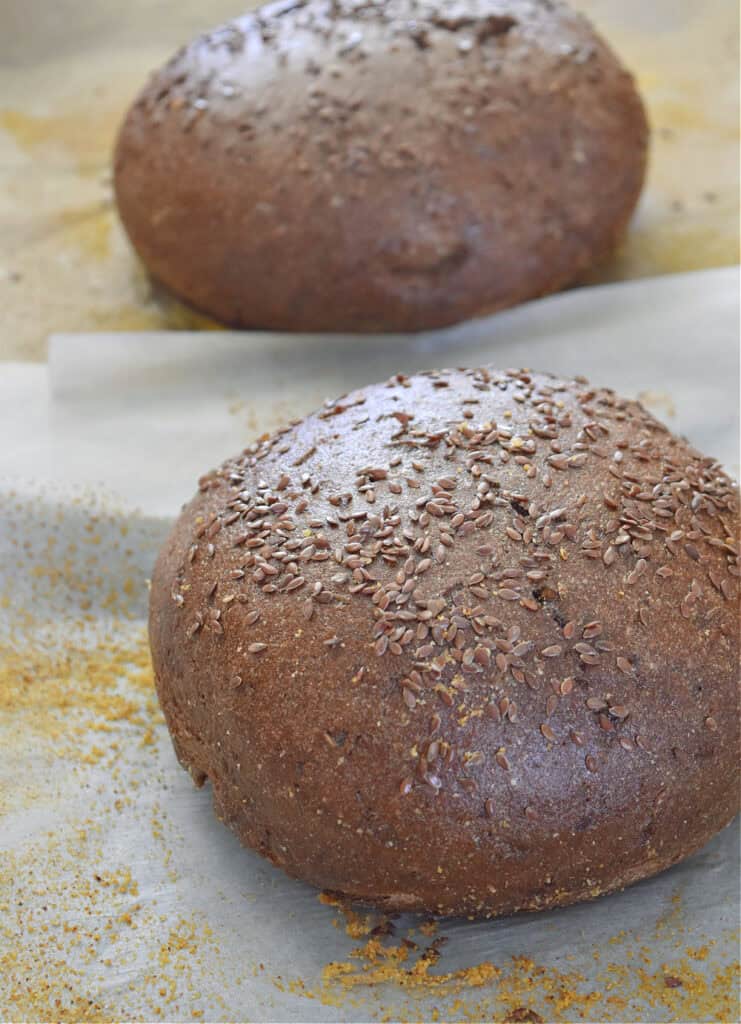
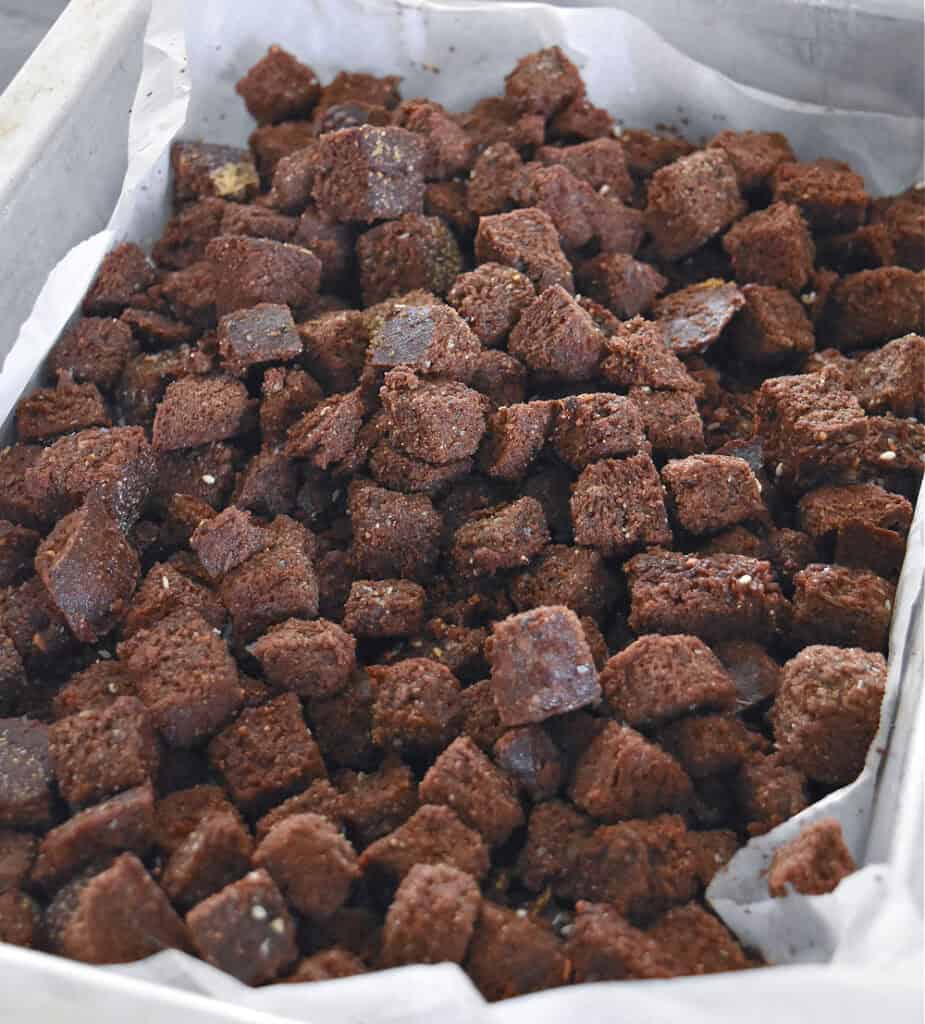
My creativity loves trying new things. A couple times the bread turned out too dense because I didn’t knead it in in the mixer long enough. But then you just make croutons and enjoy the mistakes that way;) I’m happy to say, I’ve figured out the yeast thing, and have been making two loaves of delicious wheat sandwich bread each week! ( I use THIS recipe)
Nutritional Health Benefits of Freshly Milled Flour
Sue Becker’s podcast has all kinds of “It’s the Bread” stories of people who have experienced health from various ailments. We’ve been eating it for 9 months. I no longer take an antihistamine for allergies. My singing voice has gotten stronger. And my hair is growing faster and healthier. I have probably gained a few pounds, because baking and eating yummy treats and bread tastes so good after avoiding for years. I just need to get back to intermittent fasting to balance it out;) I have not been sick since we started eating freshly milled flour, either:)
Are you gluten free? Listen to THIS podcast. Very interesting.
If you have ANY questions, I’d love to try and answer them. Yes, buying a mill is an investment, but the health and taste benefits are unmatched. It’s been a wonderful change in our home. Being able to grind grains and make my own flour to turn into healthy, delicious baked goods has been more satisfying than I could have imagined.
Shop all things breadmaking-mills, grains, etc HERE.
Thanks for reading Why I Started Milling My Own Flour. If you enjoyed your visit, be sure to Become an Insider so I can send the ideas right to you! You can Sign Up HERE.
Follow Me: LTK | Amazon | Pinterest | Instagram | Facebook
pin and save

Sharing at these lovely parties:
Lora, I need this! For two years, off and on, I haven’t felt really well. I am tired a lot of the time and granted we have been working hard this summer outside trying to critter-proof our house all in the heat of summer. However, my thyroid was acting up two summers ago. I realized I wasn’t getting enough iodine in salt, so I started using reg. table salt w/ iodine instead of always reaching for sea salt. But I have heard about all the garbage being added to flour now. It’s like, Why??? We were just fine growing up without all those preservatives and bread made it a week before it was all used up. Anyway, I would like to try milling my own flour to eliminate the glyphosate used on much of today’s wheat.
Thanks for bringing this to my attention during this July 2026 Design Challenge. Now I will get back to writing on your lovely table out in the garden… 🙂
Hugs,
Barb 🙂
I am VERY intrigued. This was super fun to read and I am totally interested in learning more!!
Wonderful, Rachel!
This post is very interesting to me. I know several people who are gluten intolerant. Do you know if this would help them to enjoy bread products again? One friend took a trip to Iceland this summer and said she was able to eat and enjoy the bread there with no ill effects. Maybe this is why.
Yes, this is totally why people can eat bread in other countries and not here. Many gluten intolerant sufferers can eat this bread. Our bodies were not made to eat the gluten with only the endosperm part of the wheat. Gluten gets blamed, but its the process of splitting the wheat kernels and separating the bran and the germ from the endosperm. Our packaged bread items in the U.S. are usually just the endosperm. We’ve taken all the vitamins out, so it’s just empty carbs. The more fresh wheat is milled and eaten, the better. Hope that helps!
Thank you. I will pass this on to her. Total aside I love your blog and have tried several of your projects.
So wonderful to hear, Valeri! Thanks so much for commenting:)